
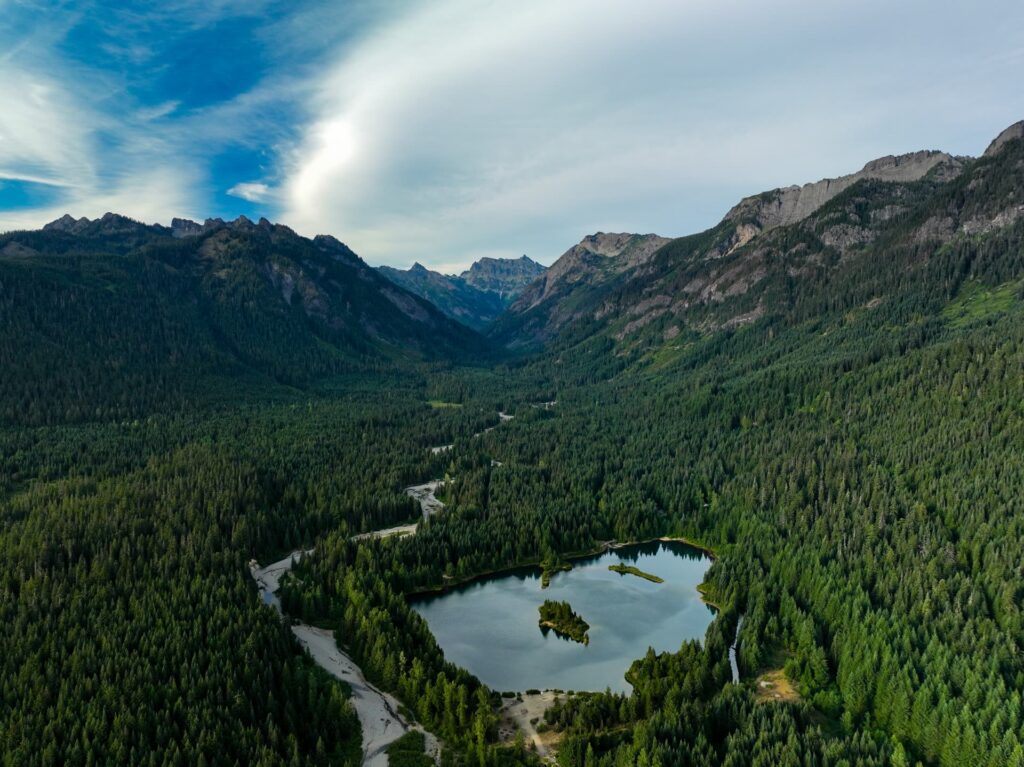
On August 4, 2023, we flew an FPV drone down the ridgeline above Gold Creek Pond near Snoqualmie Pass, Washington, dropped into the valley, and skimmed the water at a few feet off the surface. Less than two years later, the Forest Service closed the entire area to the public for most of the year. This is what one of the most photographed spots in the Cascades looked like on an ordinary summer evening — and everything you need to know about visiting it now.
Is Gold Creek Pond Open?
No — not during summer. Gold Creek Pond is closed to public entry every year from April 1 through November 30 for the Gold Creek Valley Restoration Project. It reopens each December 1 for non-motorized winter recreation, conditions permitting.
The current Forest Service closure order runs through June 22, 2028, and the agency has told the public to expect this annual pattern for three to ten years.
Last updated July 21, 2026. Always confirm with the Cle Elum Ranger District at (509) 852-1100 before you drive out.
Watch the Aerial Flight
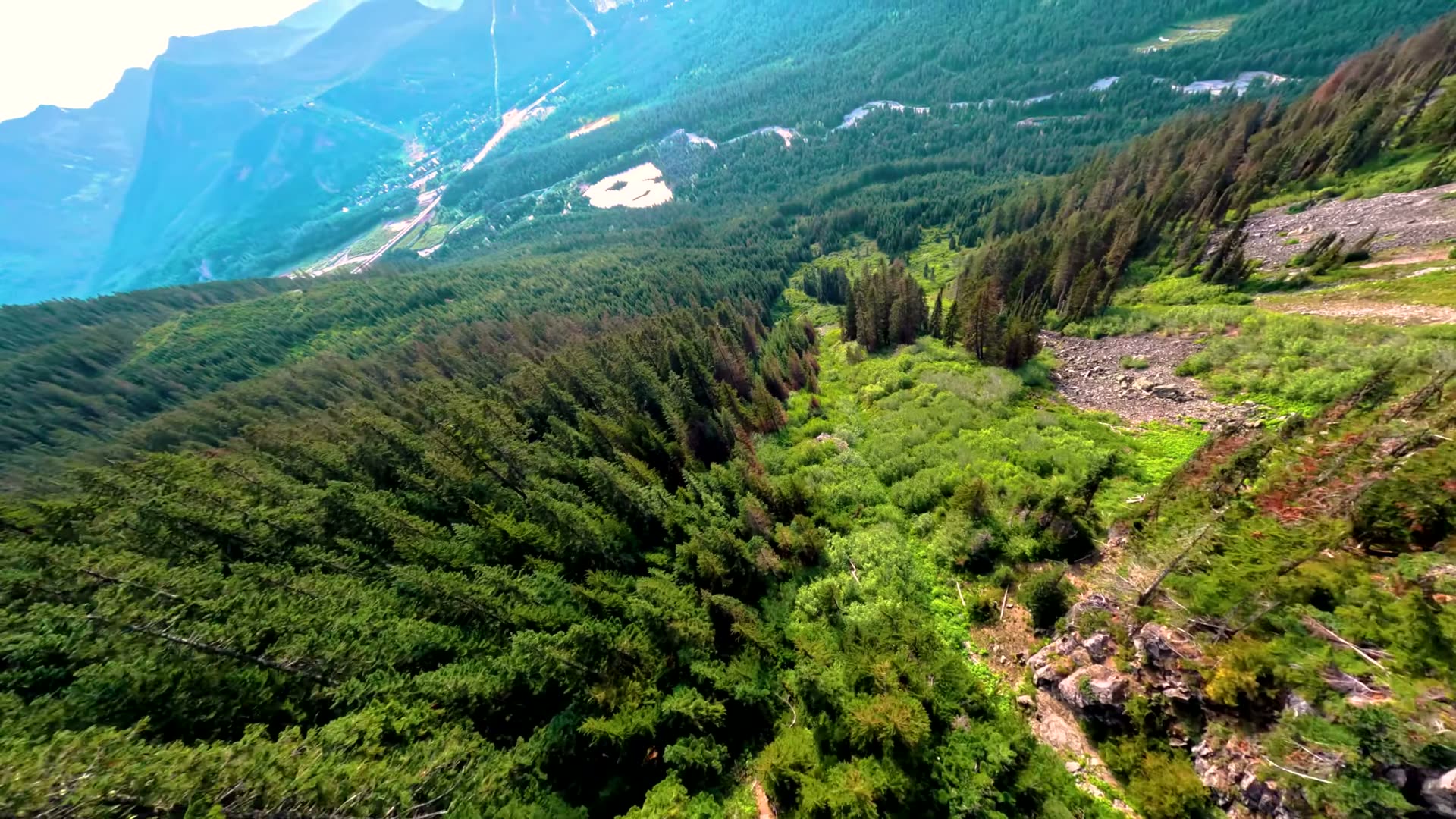
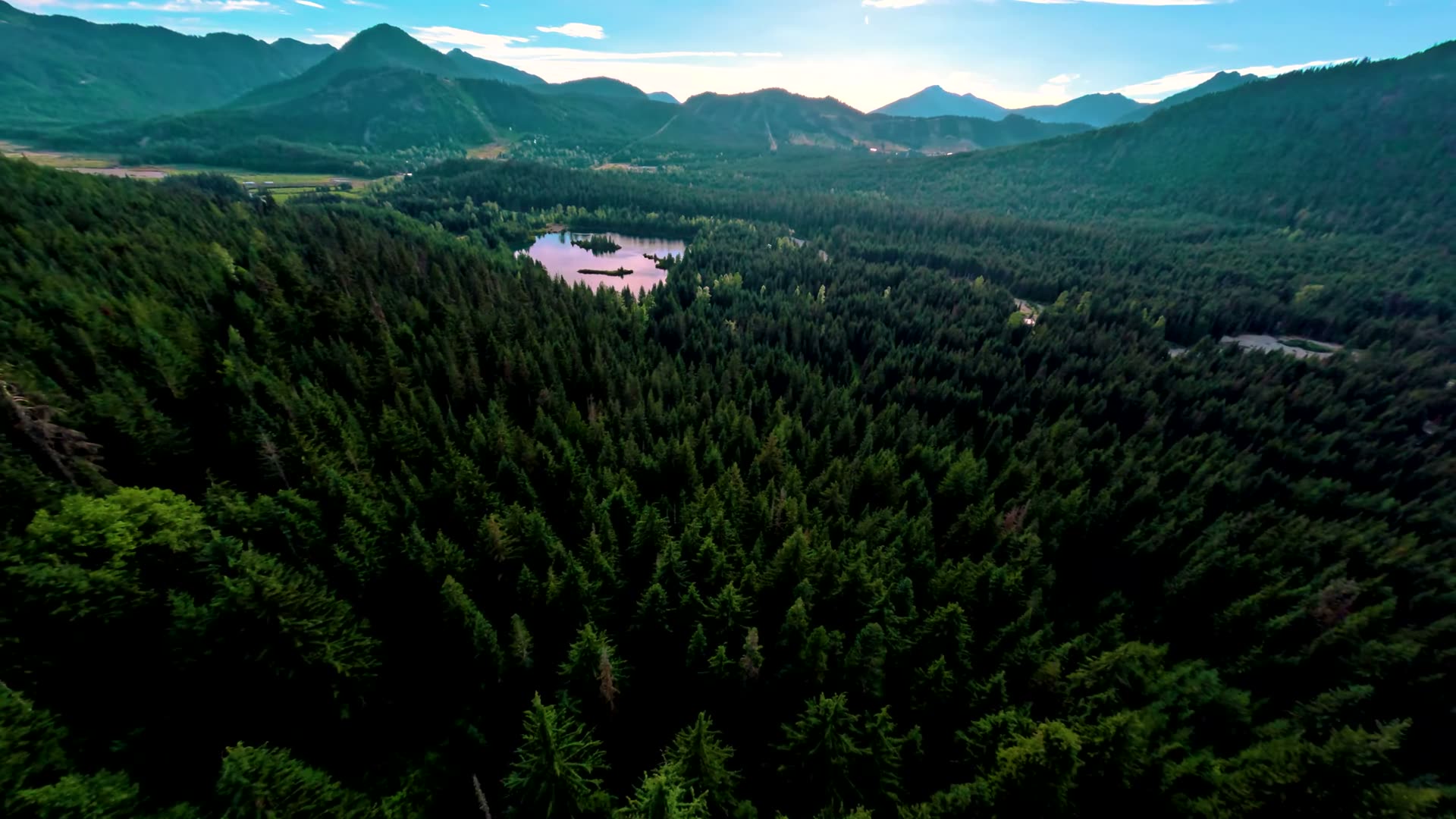
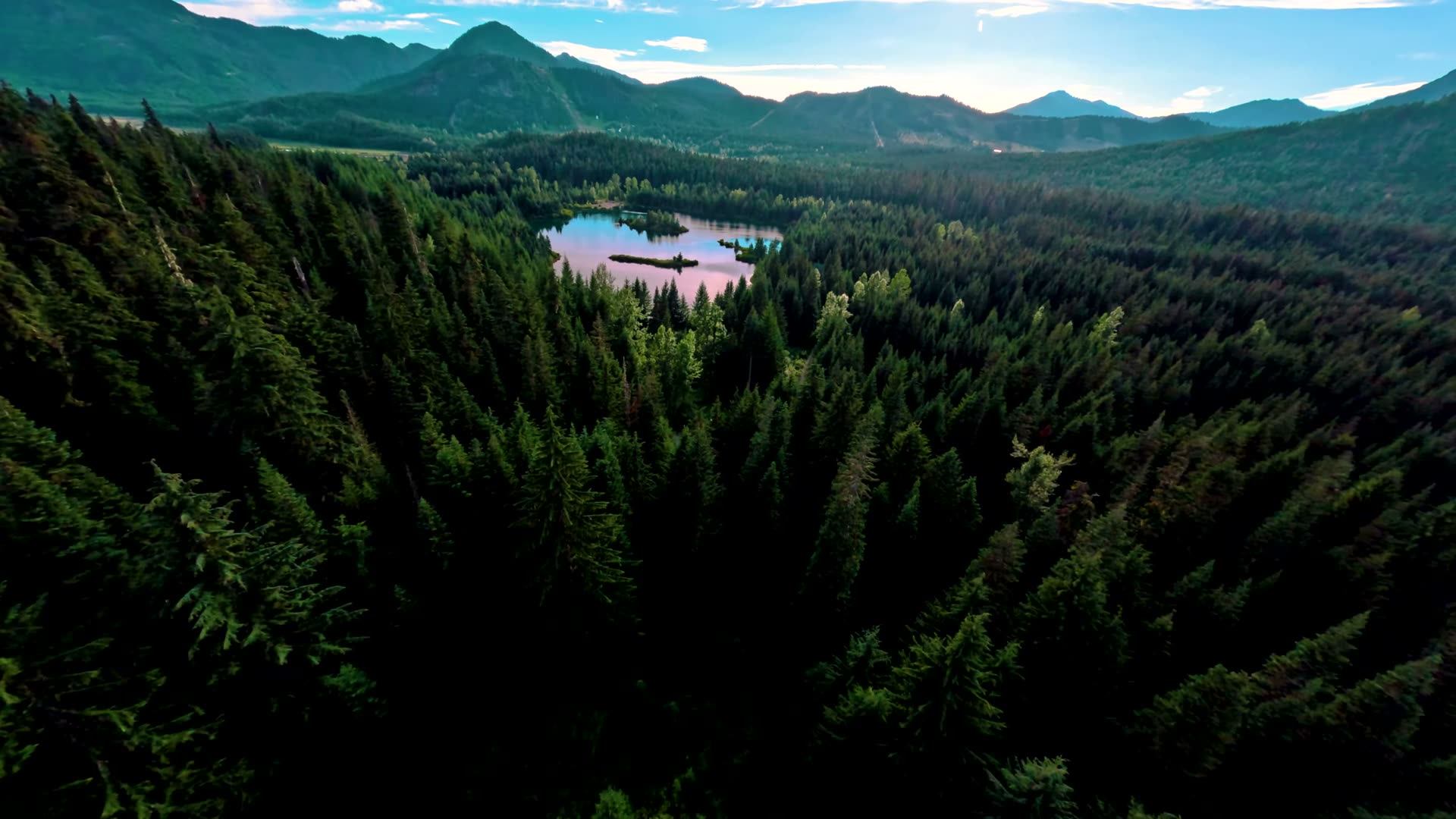
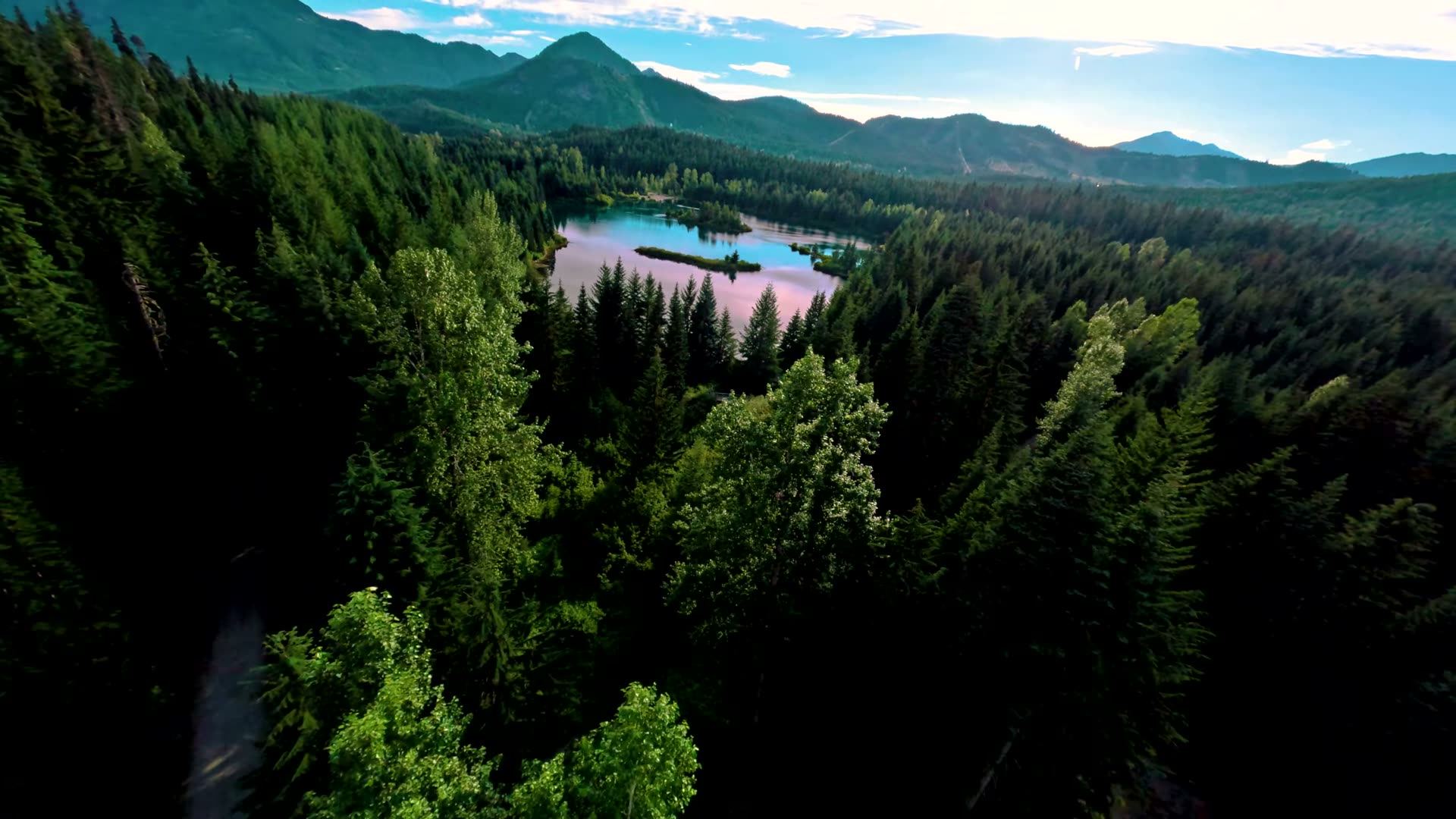
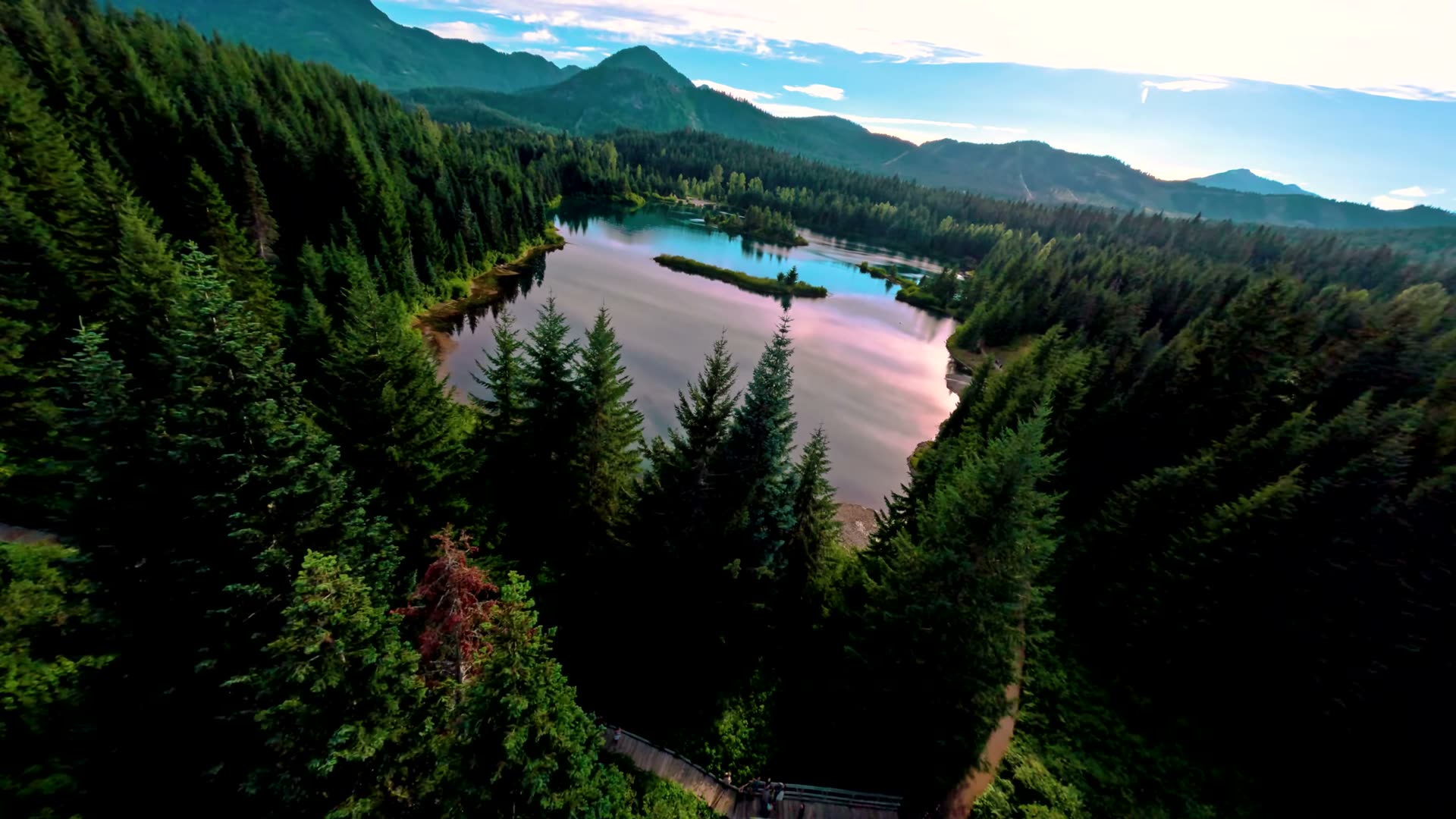
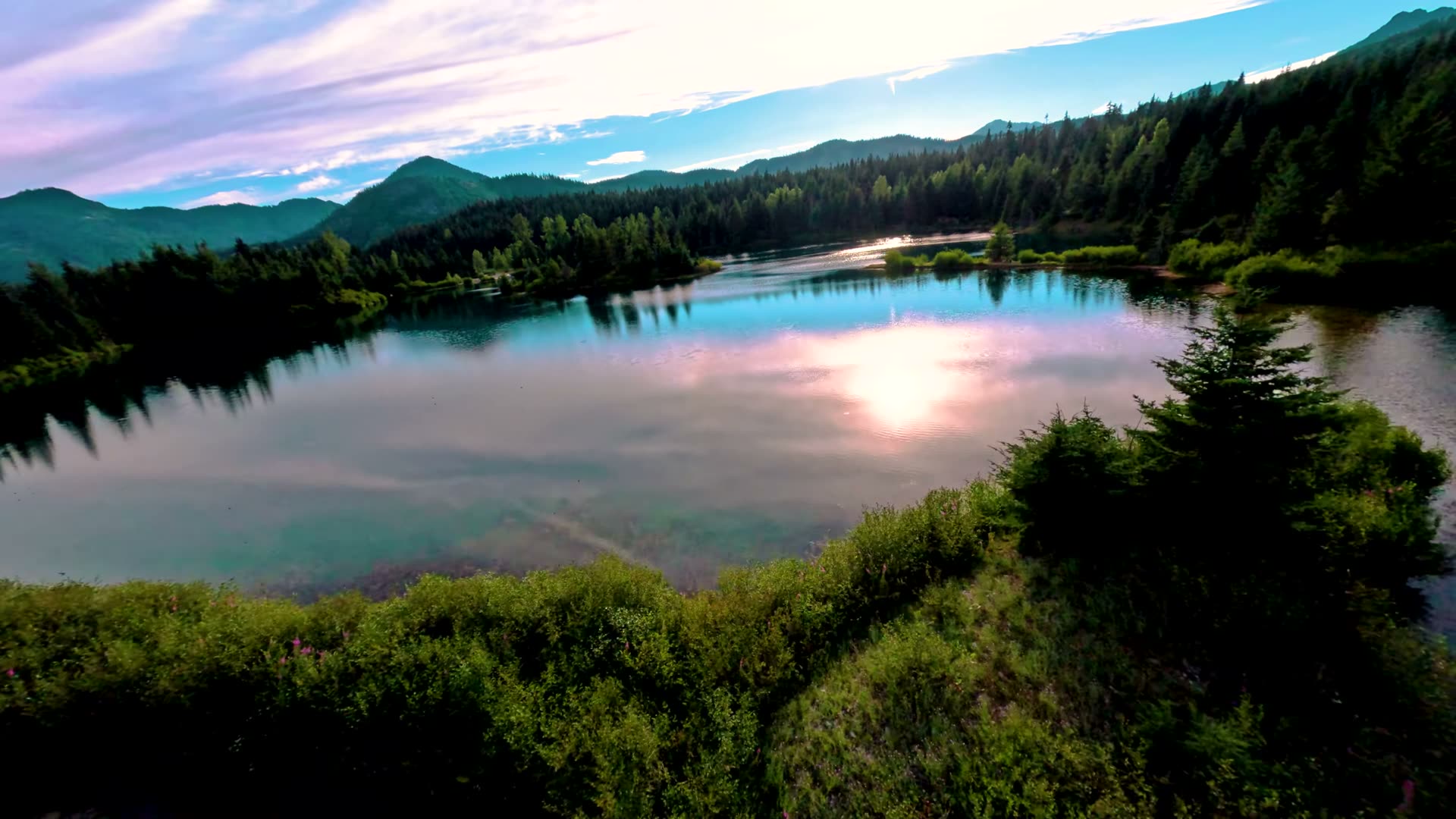
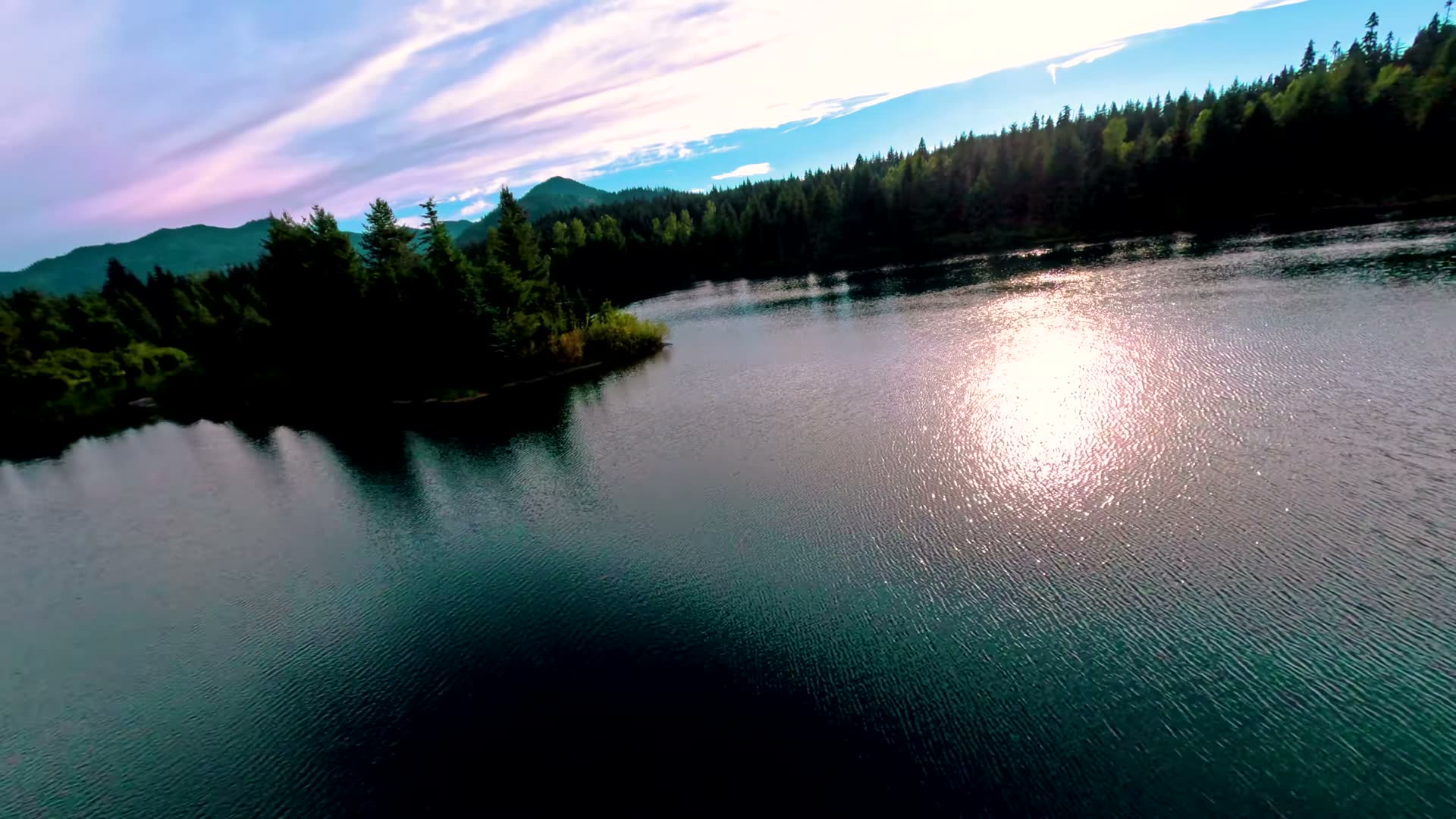
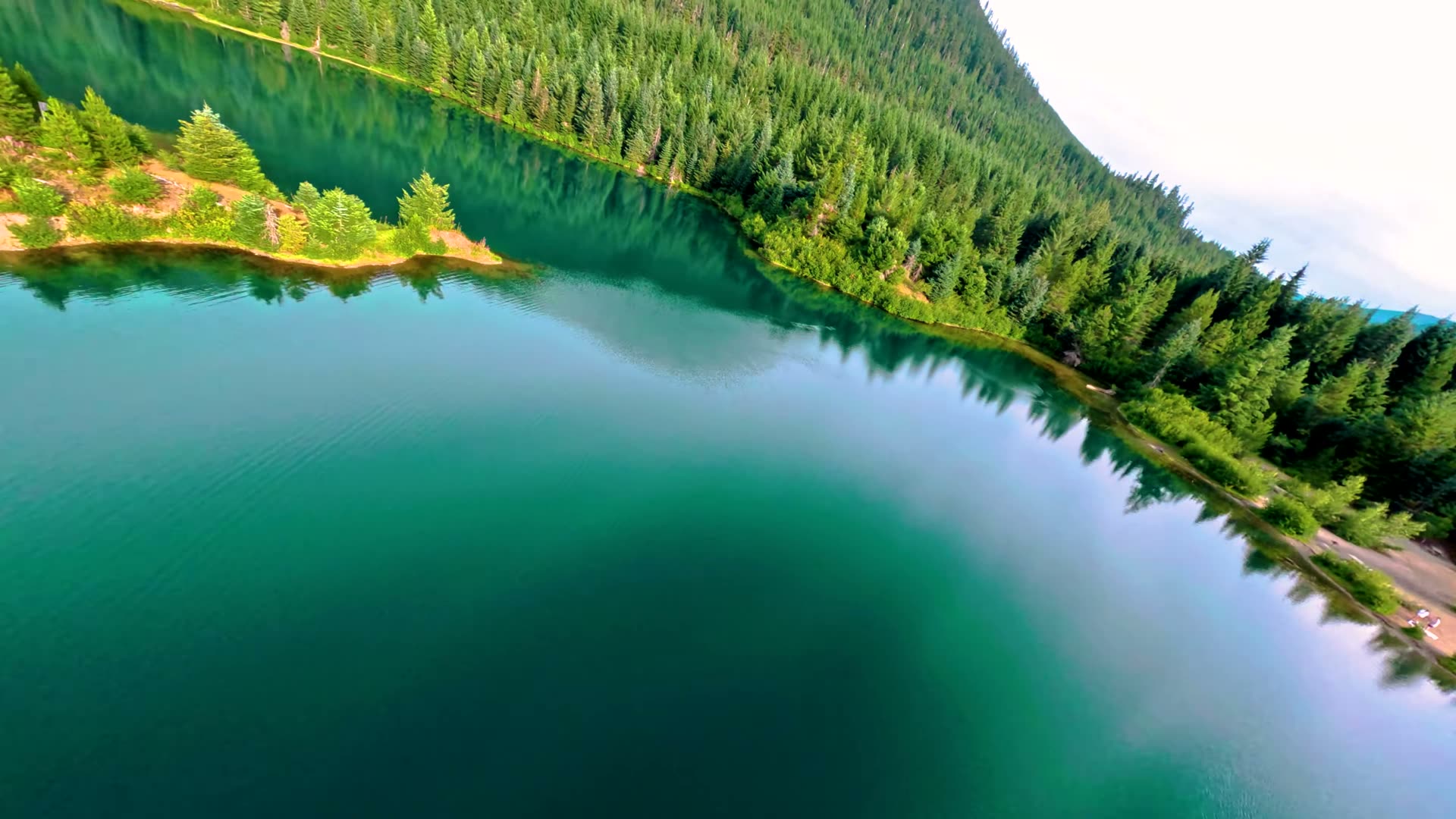
The full flight runs about 80 seconds, shot in 4K. It starts high on the ridge northwest of the pond, dives through the treeline into the valley, then makes a low pass across the water past the islands before pulling up over the gravel shore.
Where Is Gold Creek Pond?
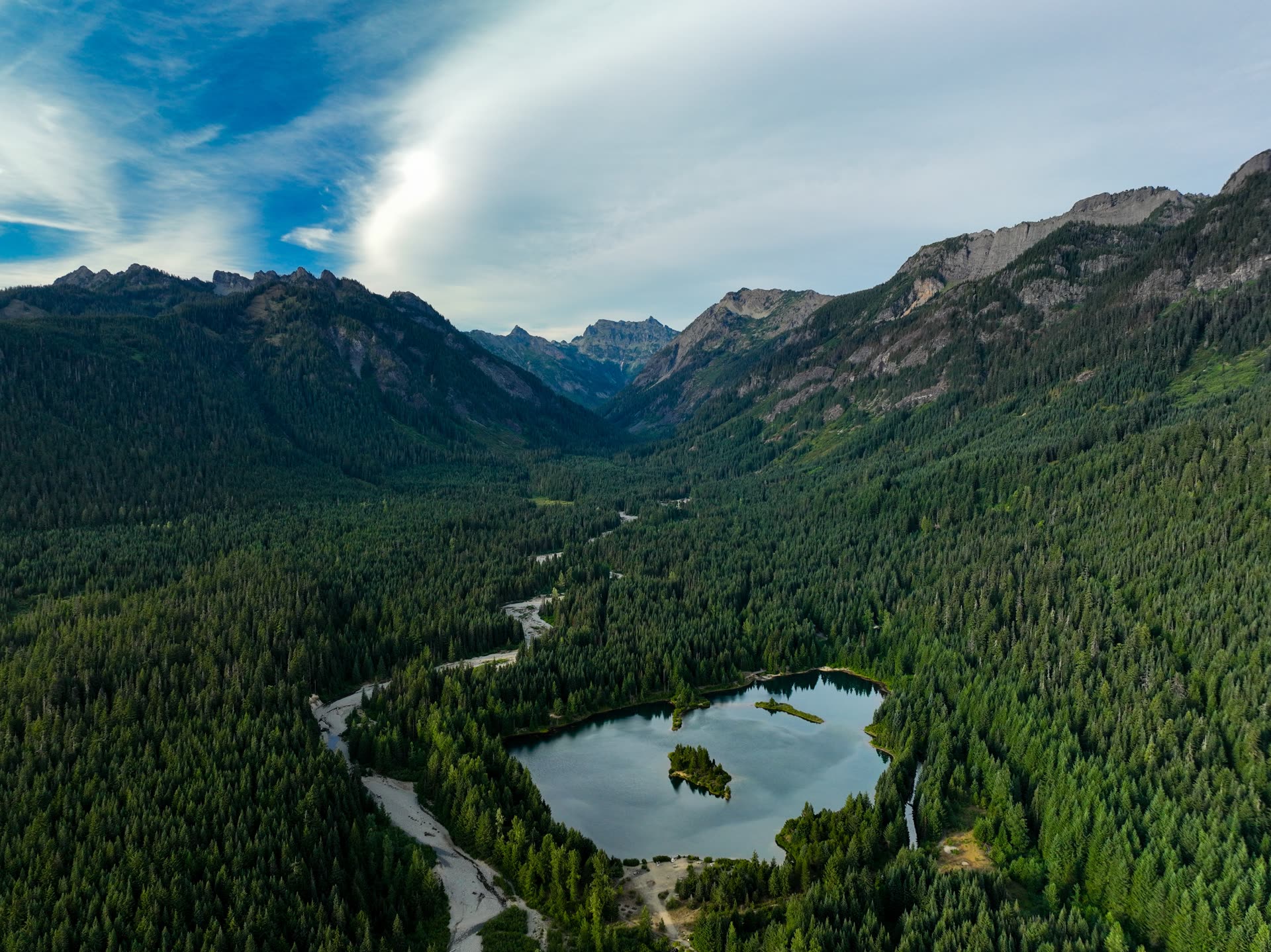
Gold Creek Pond sits in Kittitas County, Washington, just off Interstate 90 at Exit 54 (Hyak), roughly two miles east of the Snoqualmie Pass summit and about an hour east of Seattle. It sits at around 3,000 feet, wedged between Keechelus Lake to the south and the Alpine Lakes Wilderness to the north.
What made it famous is the ratio of effort to payoff: a flat, paved, one-mile loop delivers a full alpine panorama. It is one of the few places in the Cascades where someone in a wheelchair, a family with a stroller, and a serious hiker all get the same view.
The Aerial Photos
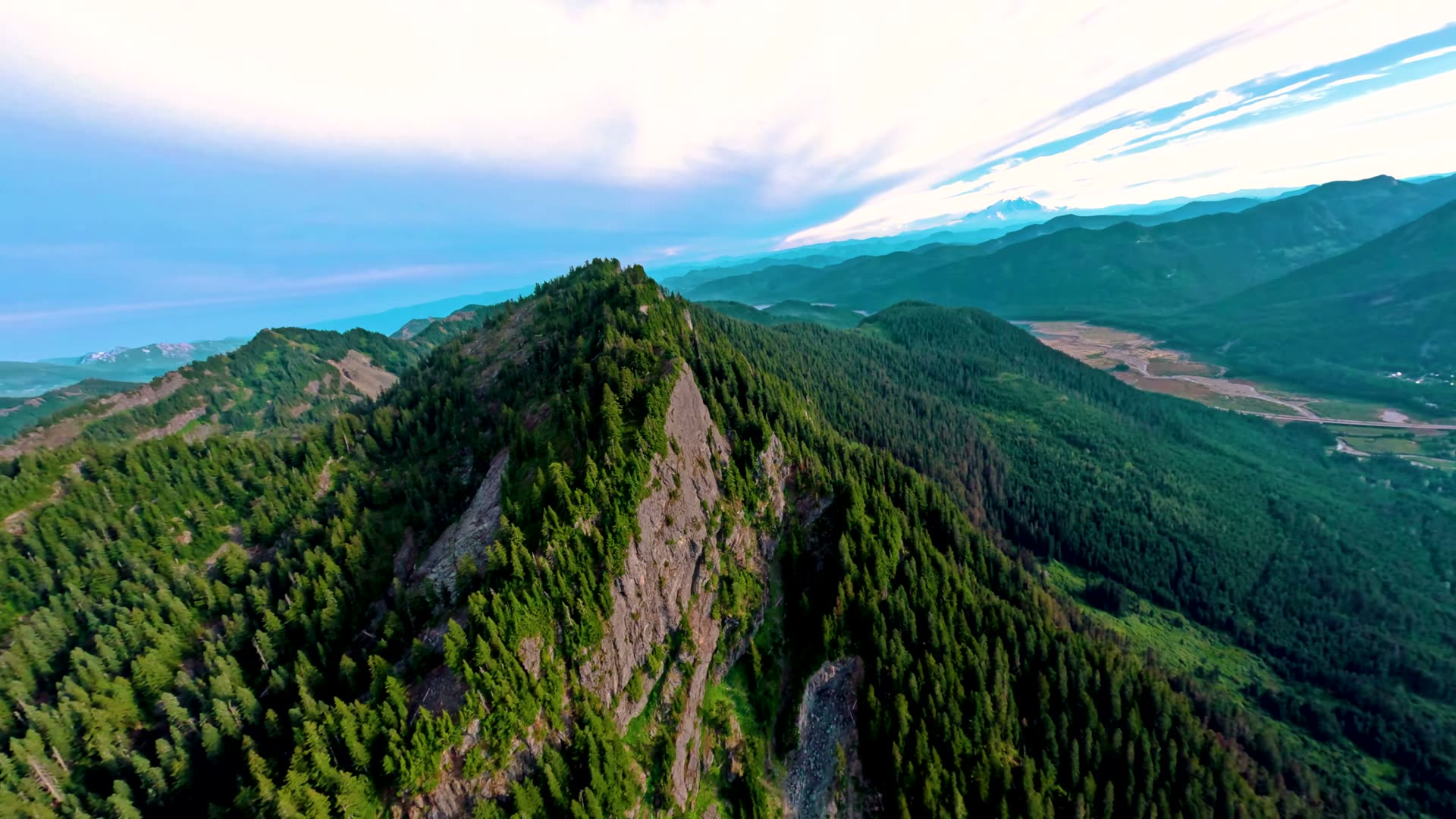
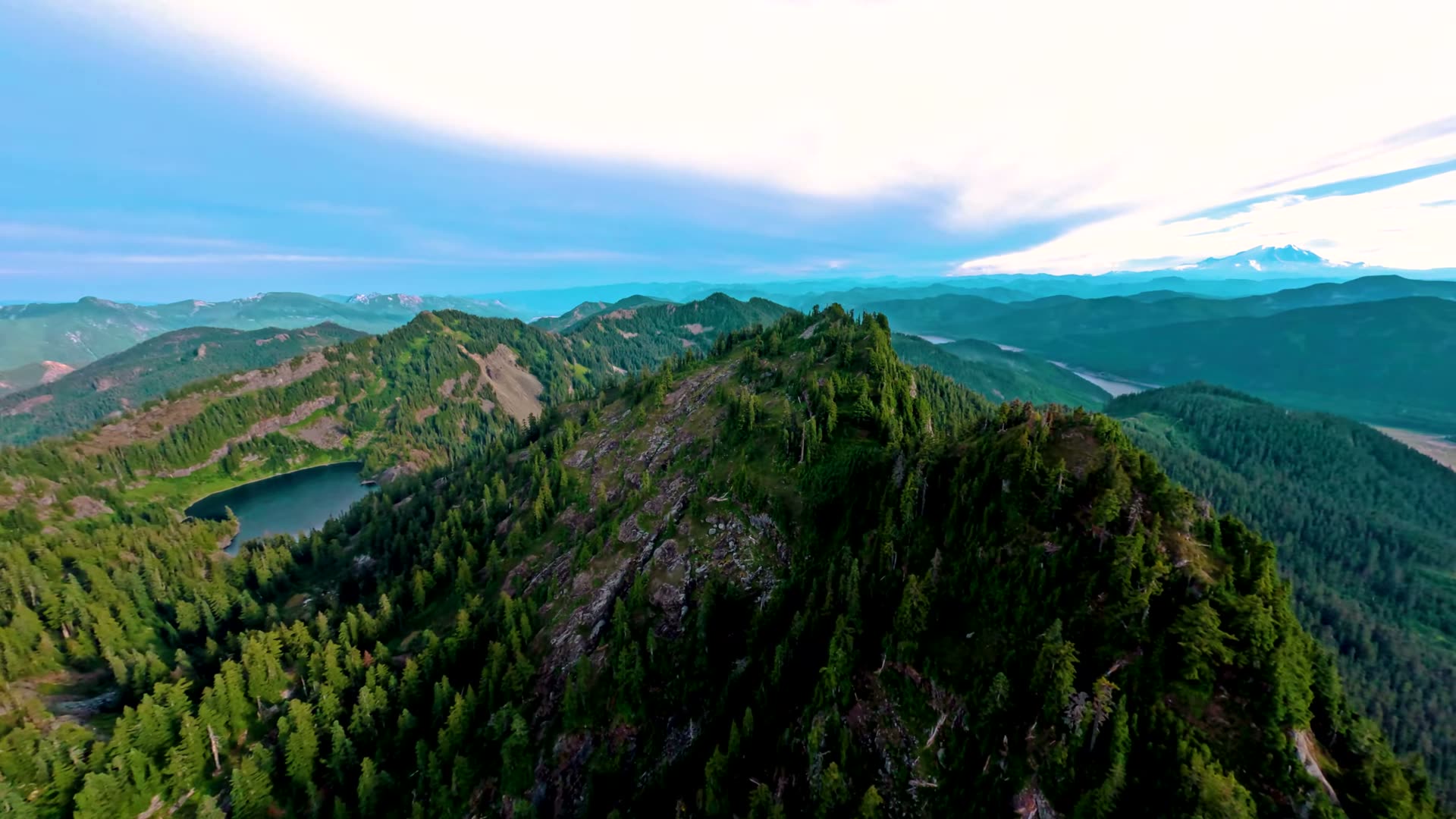
Every photo below is a frame pulled from the 4K flight above, captured August 4, 2023. Click any image to enlarge.
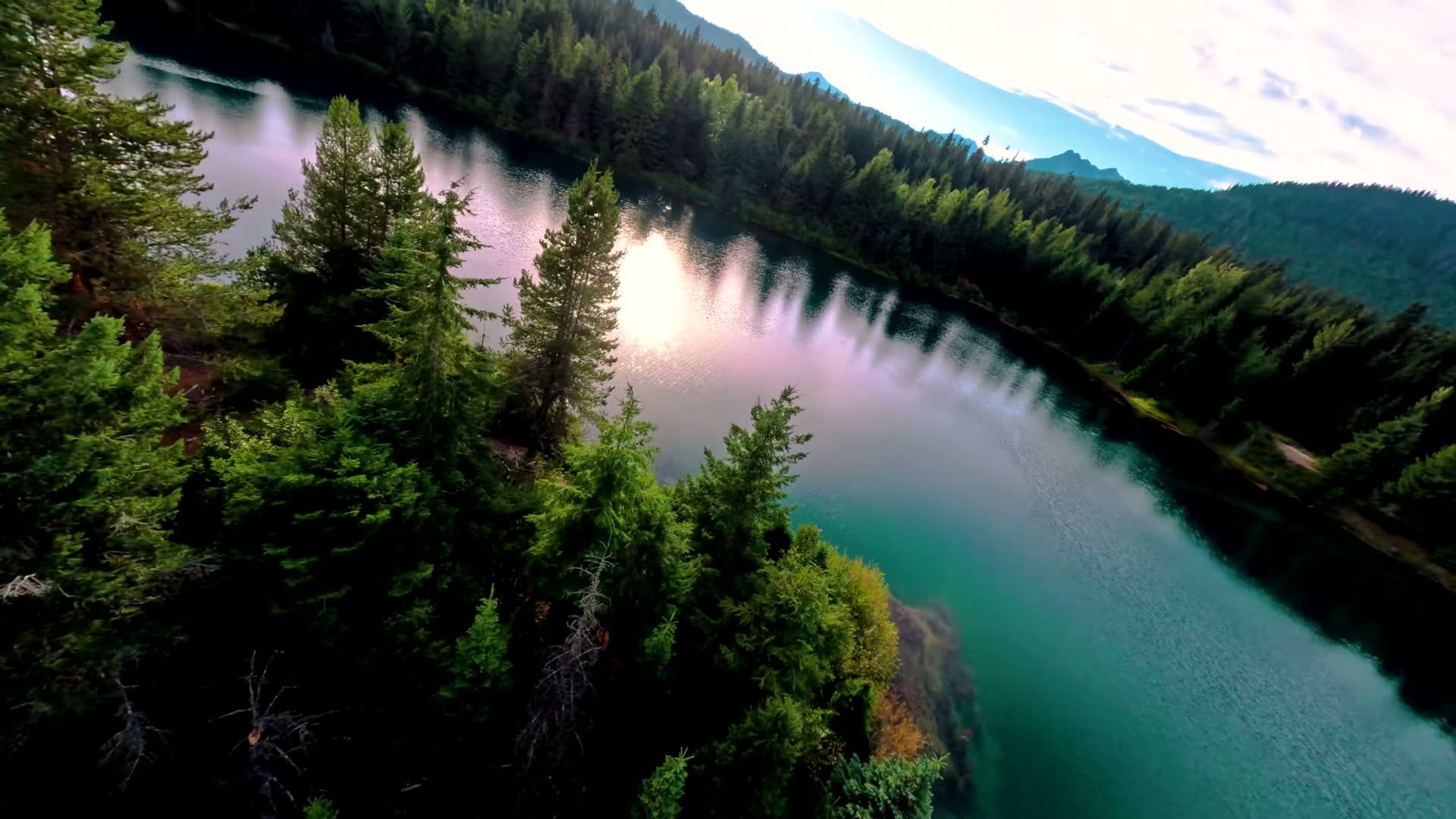
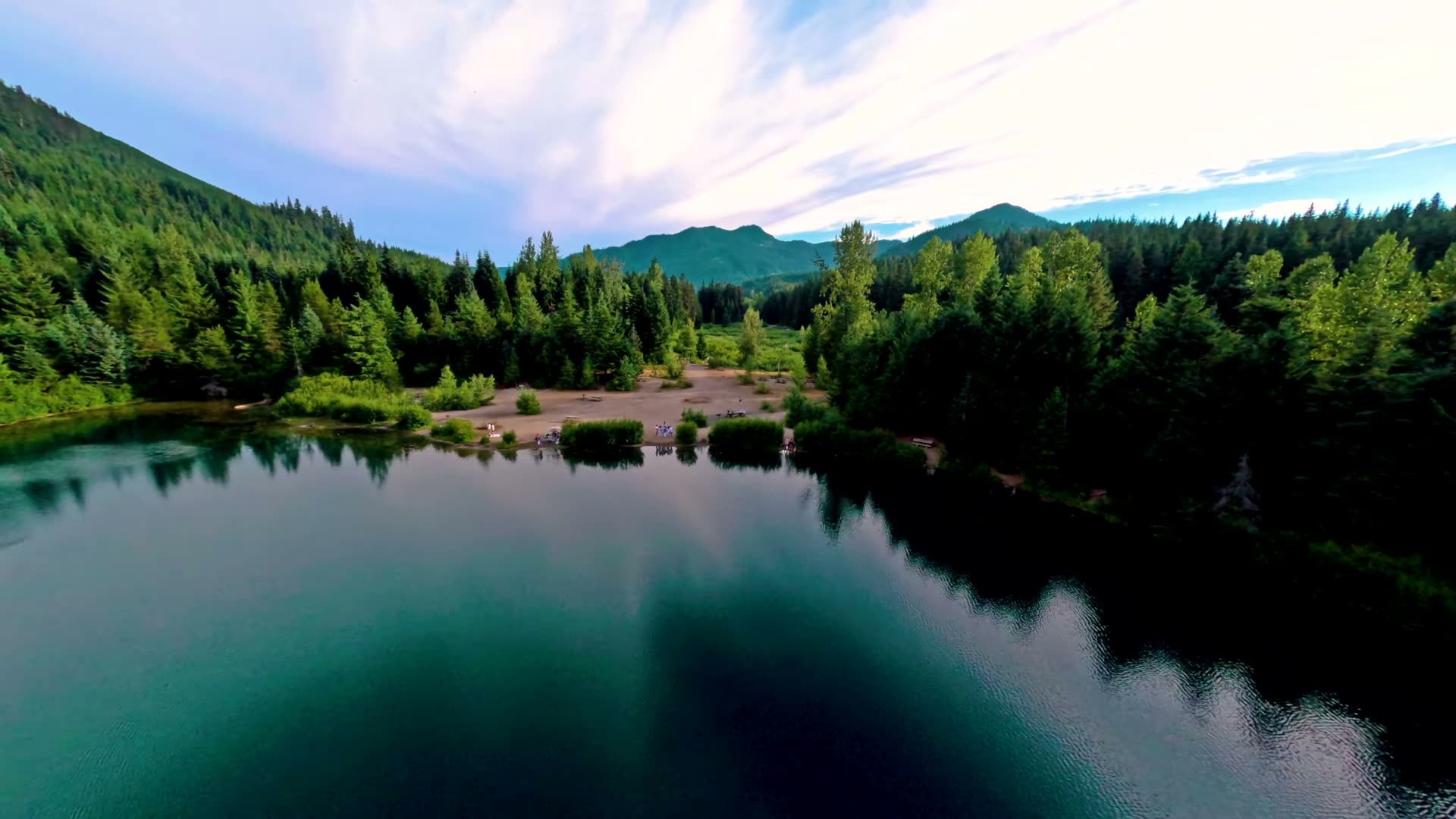
Why Gold Creek Pond Is Closed
The closure is not about crowds or damage from visitors. It is a fish problem.
Gold Creek holds a genetically distinct population of bull trout, a species listed as threatened under the Endangered Species Act. Because of how the valley was reshaped a century ago, long stretches of the creek now go dry in late summer, stranding and killing fish in disconnected pools.
The Gold Creek Valley Restoration Project is rebuilding the natural floodplain to fix that. Crews are constructing engineered log structures and new side channels to reconnect the creek with its floodplain, slow the water down, and keep flow in the channel later into the season. Some of the large wood is placed by helicopter. Combined with tree hauling, dump truck traffic, and fill placement, that makes the valley an active heavy-construction site — which is why entry is prohibited rather than merely discouraged.
The pond itself is staying. The Forest Service is keeping a viewing pond in place while restoring the floodplain around it.
Closure timeline at a glance
| Date | What happens |
|---|---|
| August 4, 2023 | This video and photo set were captured. Site fully open. |
| June 11, 2025 | First seasonal closure of the Gold Creek Valley area takes effect. |
| April 1 – Nov 30 | Annual closure window. No public entry to the pond, day-use site, Road 4832-142, or Gold Creek Trail #1314. |
| December 1 | Site reopens each year for non-motorized winter recreation, if conditions are safe. |
| Through June 22, 2028 | Current Forest Service closure order remains in effect. |
| 3–10 years | Expected total duration of the restoration work. |
It Was Never a Natural Pond
Here is the part most visitors never learn. Gold Creek Pond is man-made.
Starting around 1929, the state excavated massive gravel pits throughout this valley to build the Sunset Highway — the road that eventually became Interstate 90. One of those pits filled with groundwater and became the pond. It was later rehabilitated into a recreation site with a paved loop, picnic tables, and interpretive signs.
That history is exactly why the restoration is happening. Digging the pits disrupted how Gold Creek moves through its floodplain, and the dewatering problem that threatens the bull trout traces back to it. The current project is, in a real sense, the valley finally being put back.
Trail Facts
| Distance | ~1 mile loop, round trip |
|---|---|
| Elevation gain | ~10 feet |
| Highest point | ~3,000 feet |
| Difficulty | Easy |
| Surface | Paved loop with boardwalk sections; ADA-accessible |
| Pass required | Northwest Forest Pass or America the Beautiful pass. Sno-Park permit also required in winter. |
| Dogs | Allowed on leash |
| Facilities | Toilet and picnic tables at the trailhead |
| Not allowed | Motorized vehicles, bicycles, stock animals |
| Coordinates | 47.4094, -121.3677 |
How to Get There
From Seattle, take I-90 east to Exit 54 (Hyak), about two miles past the Snoqualmie Pass summit. Turn north, crossing under the freeway. A few hundred feet past the interchange, turn right onto the narrow paved Forest Road 4832 and follow it east, parallel to the freeway, for about a mile. Turn left onto Gold Creek Road 142, then left again in about 0.3 miles into the Gold Creek Pond parking lot. There is room for roughly 20 vehicles.
These directions describe the route when the area is open. During the April–November closure, the road and day-use site are gated and entry is prohibited.
Visiting in Winter
Winter is currently the only legal window, and it is genuinely spectacular — the pond freezes at the edges, the peaks get their snow line, and the crowds that made this place difficult in July are gone.
A few things to plan for. The access road is not maintained for regular vehicles in the snow season, so you park at the Gold Creek Sno-Park and travel in under your own power on snowshoes or cross-country skis. You need both a Washington State Sno-Park permit and a Northwest Forest Pass. Snowmobiles and other motorized use are not permitted under the winter reopening. And because the reopening is conditional on site safety, it is worth a call to the ranger district before committing to the drive.
Behind the Flight
This was not a commercial shoot. It was a summer evening, a freestyle FPV quad, and light that kept getting better until almost 9 p.m.
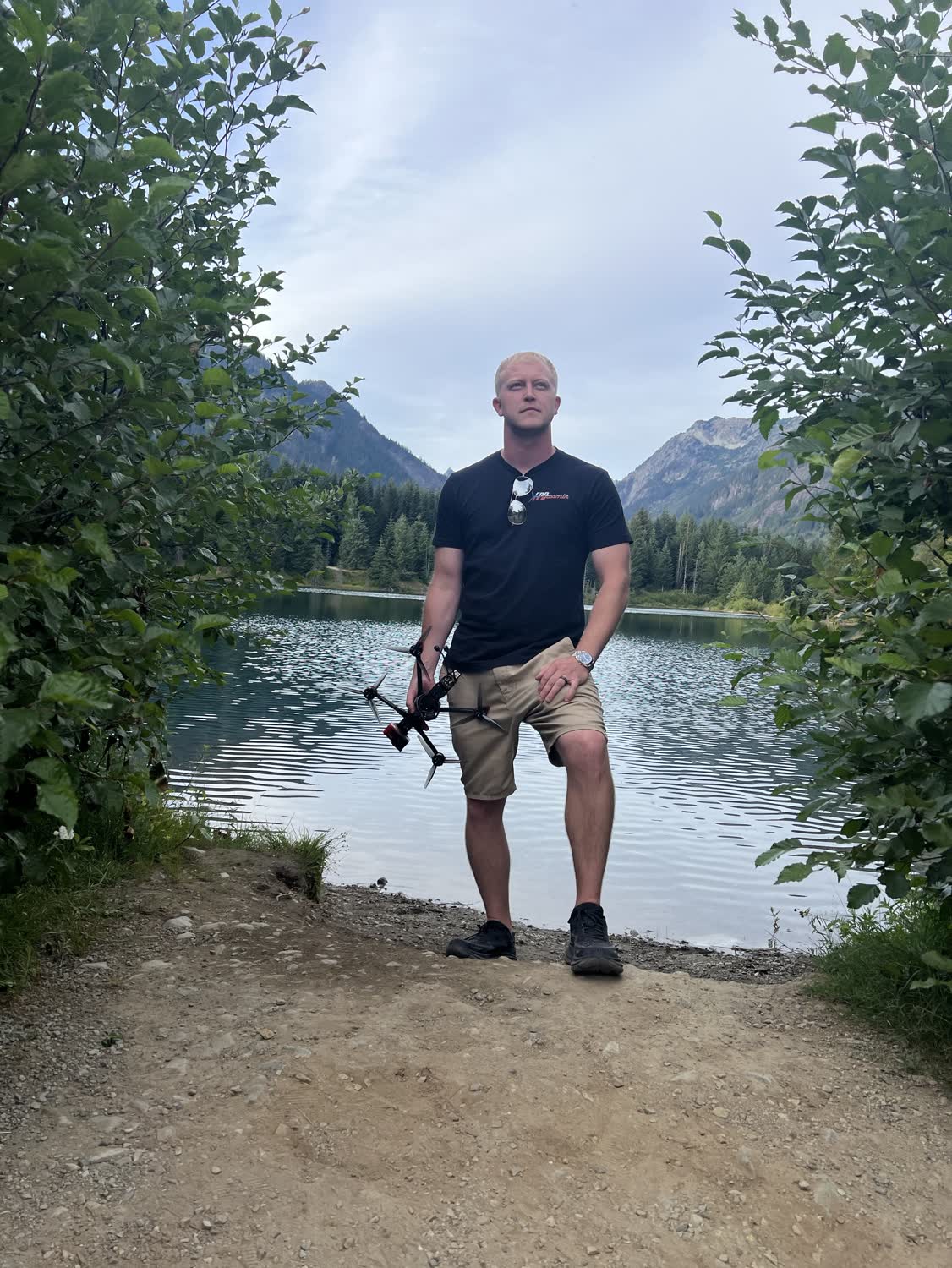
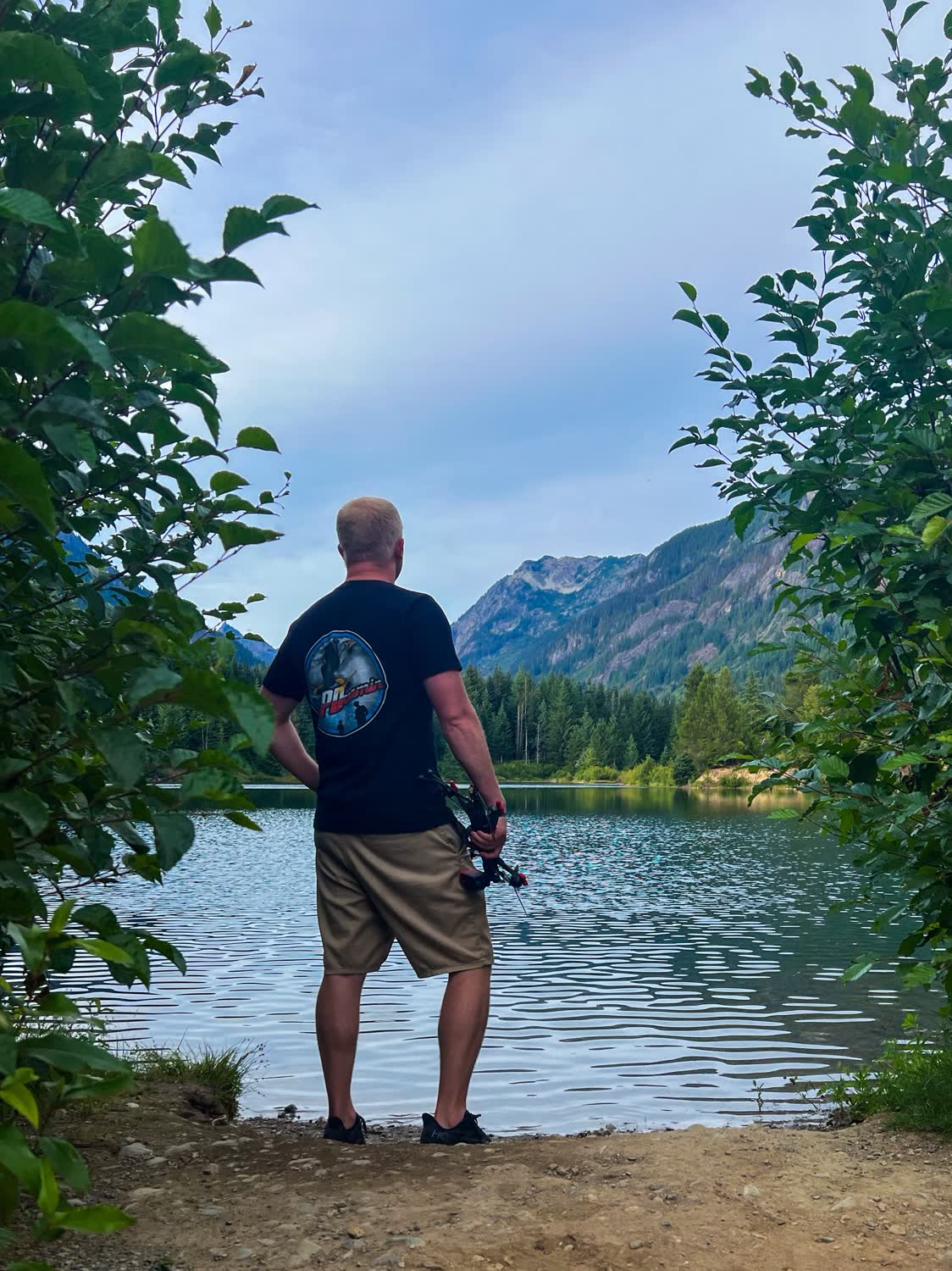
Shooting FPV over water is unforgiving. There is no obstacle avoidance and no return-to-home you want to rely on at three feet of altitude, so the low passes across the pond were flown manually with a spotter. The reward is the thing a camera on a tripod cannot give you: continuous motion from 400 feet down to the surface in a single unbroken shot.
Flying a Drone Near Snoqualmie Pass
If you are planning aerial work in this area, the boundaries matter more than usual.
- National forest vs. wilderness. Gold Creek Pond is on Mt. Baker-Snoqualmie / Okanogan-Wenatchee national forest land, where recreational drone flight is not banned outright. The Alpine Lakes Wilderness begins just north, and launching, landing, or operating a drone in designated wilderness is prohibited.
- The closure overrides everything. While the seasonal closure is active, the area is closed to entry — so there is no legal way to launch from the site between April and November.
- Altitude and line of sight. Stay below 400 feet and keep the aircraft within visual line of sight.
- Check for TFRs. Wildfire operations are common in the Cascades in summer. Never fly near fire activity, and check for temporary flight restrictions before every flight.
- Part 107 for commercial work. Any flight for business purposes requires an FAA Part 107 certificate.
- Wildlife and people. This is a narrow valley with a threatened fish population and, normally, a lot of visitors. Keep your distance from both.
What It Will Look Like Afterward
When the restoration finishes, the Forest Service plans to open a new ADA-accessible interpretive trail system built around the biodiversity of the Snoqualmie Pass region. The viewing pond stays. The floodplain around it will be reshaped, the creek will be reconnected to its side channels, and the shoreline will not look quite like it does in these photos.
Which is, in the end, the point of publishing them. This is a specific place on a specific evening in August 2023, in a form it will not take again.
Need Aerial Video That Actually Moves People?
We shoot cinematic drone photography and FPV video for real estate, tourism, construction, events, and brand work — the same approach you just watched, pointed at whatever you need to show off.
FAA Part 107 certified • 4K and FPV • Elevated Ideas
Common Questions
Gold Creek Pond FAQ
Is Gold Creek Pond open right now?
Not in summer. Gold Creek Pond and the surrounding Gold Creek Valley are closed to public entry every year from April 1 through November 30 while the Forest Service completes a multi-year habitat restoration project. The site reopens each December 1 for non-motorized winter recreation such as snowshoeing and cross-country skiing, when conditions allow. The current closure order runs through June 22, 2028, and the Forest Service has said the annual closures could continue for anywhere from three to ten years.
Why is Gold Creek Pond closed?
The Gold Creek Valley Restoration Project is rebuilding the natural floodplain of Gold Creek to protect a genetically distinct population of bull trout, which are listed under the Endangered Species Act. Gold Creek runs dry in sections during late summer, stranding and killing fish. Crews are installing engineered log structures and side channels — some of the wood is placed by helicopter — which makes the area an active heavy-construction zone that is unsafe for visitors.
When will Gold Creek Pond reopen permanently?
There is no firm date. The current Forest Service closure order is effective through June 22, 2028, and the agency has told the public to expect annual April-through-November closures for roughly three to ten years. When the work is finished, the plan is to open a new ADA-accessible interpretive trail system highlighting the biodiversity of the Snoqualmie Pass region.
Where is Gold Creek Pond located?
Gold Creek Pond sits just off Interstate 90 at Exit 54 (Hyak), about two miles east of the Snoqualmie Pass summit in Kittitas County, Washington — roughly an hour east of Seattle. From the exit you head north under the freeway, turn onto Forest Road 4832, follow it east about a mile, then turn onto Gold Creek Road 142 to reach the parking area.
How long is the Gold Creek Pond trail?
The loop is about one mile round trip with only around 10 feet of elevation gain, sitting at roughly 3,000 feet. It is paved and ADA-accessible, with boardwalk sections over marshy ground, which makes it one of the few genuinely wheelchair- and stroller-friendly mountain trails in the Cascades.
Do you need a pass for Gold Creek Pond?
Yes. A Northwest Forest Pass or an America the Beautiful interagency pass is required to park at the trailhead. In winter you also need a Washington State Sno-Park permit, because the access road and lot are maintained by the state during the snow season. That means winter visitors generally need both passes.
Can you fly a drone at Gold Creek Pond?
The pond sits on national forest land rather than designated wilderness, so drone flight is not banned outright the way it is in the neighboring Alpine Lakes Wilderness. However, while the seasonal closure is in effect the entire area is closed to public entry, so there is no legal way to launch from the site in summer. Anyone flying nearby should stay below 400 feet, keep the aircraft in visual line of sight, avoid wildlife and other visitors, check for temporary flight restrictions, and fly under FAA Part 107 rules if the work is commercial.
Was this footage filmed during the closure?
No. This video and all of these photos were captured on August 4, 2023 — nearly two years before the first seasonal closure took effect on June 11, 2025. At the time, the pond was fully open to the public and the trail was in normal summer use.
Is Gold Creek Pond man-made?
Yes. The pond is a former gravel pit. Starting around 1929, crews excavated gravel from the valley to build the Sunset Highway, the road that eventually became Interstate 90. Groundwater filled the pit, and it was later rehabilitated into a recreation site. That industrial history is part of why the current restoration project exists — the excavation disrupted how Gold Creek moves through its floodplain.
Can you swim in Gold Creek Pond?
When the site is open, wading and swimming have historically been popular in summer, though the water is cold year-round because it is groundwater-fed. There is no lifeguard and no designated swim area. While the restoration closure is in effect, the entire site is off limits regardless.